


Transitioning from homeschooling to private school is a significant milestone that requires thoughtful planning and preparation. While homeschooling offers unmatched flexibility and tailored learning experiences, private schools bring structured environments and new opportunities for growth.
For many homeschooling families, the decision to transition is driven by the desire to expand academic horizons or provide children with broader social experiences. With the right strategies in place, this transition can be a seamless and rewarding journey for both parents and students.
Let’s get right into the plan!

1. Assessing Readiness for the Transition
Before embarking on the journey to private school, it’s essential to evaluate whether this is the right move for your child and family. Transitioning from a homeschooling environment to a private school involves not just academic adjustments but also emotional and social readiness. Understanding your child’s needs, strengths, and areas for growth will help you make an informed decision.
Key Questions to Ask:
- Is my child comfortable in a structured, group-learning environment?
- Does the private school’s curriculum align with my homeschooling values and goals?
- Are there financial considerations we need to address?
Take time to discuss the change with your child to gauge their feelings and address any concerns. Transitioning to a private school is not just a family decision; it’s a collaborative step that involves your child’s active participation and enthusiasm.
2. Researching the Right School Fit
Selecting the right private school is one of the most important steps in this process. Every school has its own culture, curriculum, and community, and finding one that aligns with your child’s academic needs and personal values is critical. Homeschooling families often have unique priorities, such as maintaining a focus on individualized attention or faith-based education. Researching thoroughly ensures that the school environment will be a good fit for your child.
Steps for Success:
- Explore Schools: Visit websites, attend open houses, and talk to admissions officers.
- Match Values: Ensure the school’s teaching philosophy complements your child’s learning style.
- Review Admission Policies: Familiarize yourself with requirements, including testing, interviews, and deadlines.
Consider consulting a private school application consultant for personalized guidance, especially if you’re targeting competitive schools. Their expertise can help you identify schools that best match your family’s educational goals and your child’s strengths.
3. Building a Strong Homeschool Portfolio
Your homeschool portfolio is a key element in showcasing your child’s academic achievements and unique learning experiences. This document provides private schools with an in-depth understanding of your child’s background, making it essential to craft a polished and compelling portfolio. For homeschooling families, the portfolio can also serve as a way to demonstrate the personalized education and creativity your child has experienced.
What to Include:
- Academic Records: Document grades, courses, and curriculum details.
- Samples of Work: Include essays, projects, and creative pieces that showcase your child’s skills.
- Extracurriculars: Highlight activities like sports, music, volunteering, or hobbies.
- Standardized Test Scores: If applicable, provide results from exams like the SSAT or ISEE.
Organize the portfolio professionally, ensuring it reflects the high-quality education your child received at home. Schools are often impressed by well-documented evidence of critical thinking, creativity, and initiative—traits that homeschooling often nurtures.

4. Preparing for Entrance Exams
Entrance exams are a standard requirement for many private schools and help assess whether your child is academically prepared for their programs. While these tests can be intimidating, they’re also an opportunity for your child to demonstrate the strengths developed during homeschooling. With proper preparation, your child can excel and approach the testing process with confidence.
Tips for Success:
- Research the specific tests required (e.g., SSAT, ISEE).
- Incorporate test-prep materials into your homeschooling schedule.
- Practice regularly with timed mock tests to build familiarity and confidence.
A private school consultant can provide valuable resources and recommendations for effective test preparation. They can also offer guidance on selecting the right study materials and ensuring your child stays on track.
5. Mastering the Admissions Interview
The admissions interview is a pivotal moment in the application process, allowing private schools to gain insight into your child’s personality and potential contributions to their community. For homeschooled students, this is a chance to highlight the unique experiences and skills they’ve gained through individualized education. A confident and genuine approach to the interview can make a lasting impression.
Preparation Strategies:
- Role-Play: Practice answering common questions in a conversational manner.
- Highlight Strengths: Encourage your child to discuss their unique homeschool experiences, such as self-directed projects or community involvement.
- Stay Positive: Teach them to handle challenging questions with confidence and grace.
Parents may also be interviewed, so be prepared to articulate why the school is a good fit for your family and how your homeschooling background has enriched your child’s education. Schools value open communication, so don’t hesitate to share your aspirations and ask thoughtful questions about their programs.
6. Supporting Emotional and Social Readiness
Transitioning from a homeschooling environment to private school isn’t just about academics—it’s also about adjusting to new social dynamics and routines. Children who have spent years learning at home may initially find the change overwhelming, but with patience and support, they can thrive in their new environment.
How to Help:
- Encourage Socialization: Involve your child in group activities, co-ops, or community events to build social skills.
- Discuss Expectations: Prepare them for structured schedules, homework, and teacher-led instruction.
- Stay Involved: Monitor their progress and offer support during the adjustment period.
Open communication is key—regularly check in with your child about their feelings and experiences as they settle into their new routine.

7. Financial Planning and Scholarships
Private school tuition is a significant financial commitment, but there are ways to make it more manageable. Many private schools offer scholarships and financial aid programs to support families from diverse backgrounds. For homeschooling families considering this transition, financial planning should be an early priority.
Tips for Budgeting:
- Research available scholarships specific to homeschoolers.
- Inquire about payment plans or sibling discounts.
- Consider crowdfunding or community support if finances are a concern.
Planning ahead and exploring all available resources can help ensure that private school remains a viable and enriching option for your family.
Final Thoughts
The journey from homeschooling to private school can open doors to new opportunities, enriching your child’s academic and social experiences. By carefully planning and leveraging your homeschooling strengths, you can ensure a smooth transition.
Remember, you don’t have to navigate this process alone. If you feel uncertain about specific requirements, consulting a private school application consultant can provide clarity and save time. With thoughtful preparation, this change can be a stepping stone to a bright future for your child.
You might also like:
-
Sale!
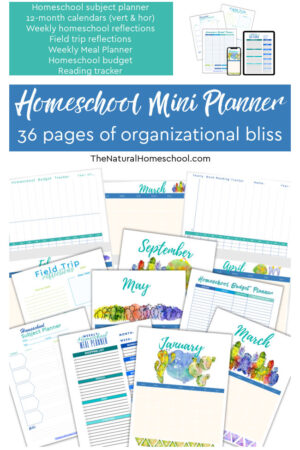
Reusable Printable Homeschool Mini Planner (36 pages)
$18.00$9.99 Add to cart- Homeschooling And Responsibility: How A Dog Can Teach Life Lessons
- Homeschooling STEM: Hands-On Electrical Projects for Kids
- A First-Time Parent’s Guide to Effective Homeschooling
- Tips for Homeschooling Effectively
Public, Private, Homeschool, or Hybrid Education?: A Parent’s Guide to the Pros and Cons of
 Save Your Children!: How to Start your own Private or HomeschoolHome Learning Year by Year, Revised and Updated: How to Design a Creative and Comprehensive


Latest Posts
- Balancing Homeschooling and Childcare: Finding What Works for Your Family
 When you integrate childcare into the weave of your family life, you’re sharing the load of homeschooling and expanding the opportunities for your children to learn and grow.
- What to Know Before Replacing the Lenses in Your Existing Frames
 Replacing just the lenses in a pair of frames you already own can save you money, keep your favorite style, and get you seeing clearly again faster than you’d expect.
- Best Light Table for Kids: 4 Helpful Guides and Activities to Explore
 Whether your children enjoy building, drawing, exploring colors, or discovering how things work, a light table for kids can bring a fresh perspective to familiar activities.
- The Best Gift Guide Light Table for Kids
 Light tables can be used for anything! Hands-on light table ideas galore float through my head non-stop whenever I think about a lesson.
- Homeschooling vs. Online School: What Parents Should Consider
 Homeschooling and online school can look almost identical on paper, but they offer many differences.





Leave a Reply