

Dolls have been a part of childhood for generations, but their role in structured learning environments is often underestimated. In homeschool and Montessori settings, where play-based learning is central, dolls support the development of social-emotional skills, fine motor coordination, language, and creativity through self-directed activities.
One of the key advantages of using dolls for learning is that the experience feels like play rather than instruction. When a child dresses a doll, they practice manipulating buttons, zippers, and snaps, which strengthens fine motor control. Feeding a doll introduces routines and sequences, reinforcing early executive functioning skills.
Telling stories with dolls builds vocabulary, emotional expression, and narrative structure, all without relying on worksheets.

Fine Arts and Crafts Extend the Learning
Doll play naturally invites creative extension through arts and crafts. Children who engage with toy dolls often begin making accessories such as blankets from fabric scraps, furniture from cardboard, and clothing from felt. These activities support the development of cutting, measuring, designing, and problem-solving skills while encouraging children to take ownership of their creative environment.
In homeschool programs that include art, creating items for dolls connects creativity with practical application. Sewing a simple doll dress introduces basic stitching and pattern-following. Building a dollhouse from recycled materials allows children to explore spatial awareness and structural concepts. Each project reinforces hands-on learning while maintaining engagement through play.
Language and Storytelling Flourish Through Imaginative Play
When children play with dolls, they describe actions, assign voices, negotiate roles with siblings or peers, and construct narratives that become more complex over time.
This type of verbal interaction supports vocabulary development, sentence formation, and emotional expression in ways that align with early language acquisition research. These are skills that structured lessons support, but imaginative play often increases engagement and retention.
In homeschool environments, where mixed-age learning is common, doll play allows older children to model language for younger ones. For example, when a five-year-old tells a story involving a doll to a younger sibling, they are practicing communication skills that support later reading comprehension and writing development.

Practical Life Skills Through Doll Care
Montessori education emphasizes practical life activities, which are tasks designed to build coordination, concentration, and independence. Caring for dolls aligns closely with this approach. Washing a doll using water, soap, and a brush introduces sequencing, while dressing and undressing a doll strengthens the fine motor skills needed for managing clothing fasteners.
These activities mirror foundational Montessori practical life exercises, which are intentionally designed to prepare children for independent self-care. Children are more likely to repeat these tasks because the caregiving context provides intrinsic motivation, reinforcing skill mastery through repetition.
Social-Emotional Development Happens Naturally
Dolls provide a structured yet flexible way for children to explore and process emotions. When a child comforts a “sad” doll, puts a doll to bed when it is “tired,” or takes a doll to the “doctor,” they are engaging in symbolic play that reflects real-life experiences.
Research in early childhood development shows that this type of role-play supports the development of empathy, emotional regulation, and perspective-taking. It allows children to rehearse responses to situations in a controlled environment.
For homeschool families, where peer interaction may be less frequent than in traditional school settings, dolls offer a consistent opportunity to practice social scenarios. The child directs the interaction, adjusts the context, and processes experiences at their own pace, which aligns with both Montessori and Charlotte Mason educational philosophies.

Choosing Dolls That Support Open-Ended Play
The most effective dolls for learning are typically simple in design. Dolls without electronics, pre-recorded phrases, or flashing features encourage children to rely on their own imagination and verbal expression. Montessori-style dolls are often made from natural materials, appropriately sized for small hands, and intended to support caregiving routines.
Selecting dolls that represent diverse appearances, family structures, and cultural backgrounds also supports inclusive learning and broader social awareness. These choices can encourage meaningful discussions about differences, respect, and representation within a homeschool setting.
A Tool That Grows With the Curriculum
Dolls can be adapted for use across different stages of development. Toddlers use them for sensory exploration and basic motor practice. Preschool-aged children engage in care routines and storytelling. Older children can incorporate dolls into history lessons, cultural studies, and creative writing activities.
This adaptability aligns with developmental learning frameworks, where a single material evolves in purpose as a child’s cognitive and social abilities expand. A well-chosen doll can remain relevant over time, making it a practical and cost-effective resource for homeschool families.
Final Words
Dolls function as versatile learning tools that support multiple areas of child development. They contribute to practical life skills, language growth, emotional understanding, and creative expression within homeschool and Montessori environments. Because doll play is open-ended, children can guide their own learning while staying engaged. As they develop, dolls continue to serve as adaptable tools that support learning across different stages.
You might also like:
- 3 Montessori Practical Life Transferring Activities [LIVE TRAINING]
- 100 Montessori Practical Life Works for Ages 3-6
- Montessori Practical Life Activities List #1 ~ Start Here
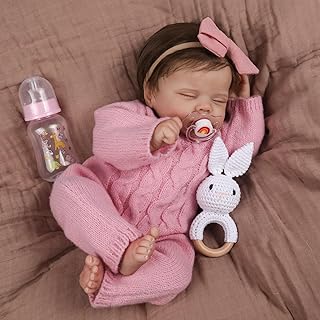
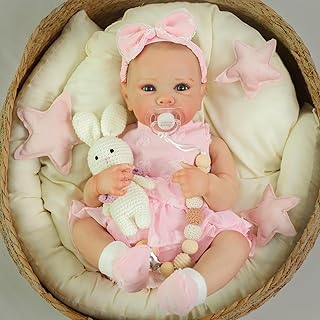
WOOROY Realistic Reborn Baby Dolls – 18-Inch Real Life Sleeping Newborn Girl, Lifelike Doll with Milidool Lifelike Reborn Baby Dolls Boy – 18-Inch Baby Soft Body Realistic-Newborn Baby Dolls ClothKSBD Reborn Baby Dolls – 20 Inch Realistic Baby Doll Real Life Baby Dolls Lifelike



Latest Posts
- 5 Best Replica Diploma Makers for Display Copies and Keepsakes
 If you want a keepsake for framing without exposing the original to everyday wear, a nonofficial replica is one option. Choosing a printer, however, takes more thought than picking the first attractive product photograph.
 - Animals in Winter that Hibernate, Migrate and Adapt – Printable Set
 Our Animals in Winter Migration, Hibernation & Adaptation post is an introduction to the three with activities, printables and ideas!
 - How To Create A Children’s Learning Nook
 Creating a learning nook that is engaging and filled with everything (almost) that your child will need to thrive is an exciting thing.
 - Free Printable Books for Kids about Spiders
 Welcome to our awesome unit on none other than spiders! Would you like some free printable books for kids about spiders? Read on! We are not making it a scary or spooky subject (even though I am personally terrified of them). It was so much fun (especially because I made…
 - Fall Words for Kids – 24 Printable 3-Part Cards
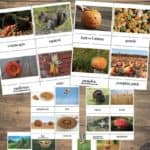 We are so excited about Fall. Seriously, every year is awesome. We enjoy the changing leaves, the crisp air, the holidays and the delicious desserts and drinks. So, to celebrate Fall, we have a wonderful set called: Fall Words for Kids. Yes! Yay, Fall! Don’t you just love some great…



Leave a Reply