

Home learning isn’t just a temporary setup anymore — it’s become a core part of how students study, attend classes, and access resources. From live lectures and virtual labs to collaborative tools and cloud -based assignments, everything now depends on one thing working flawlessly: your internet connection.
But here’s the catch — most standard connections weren’t designed for this kind of constant, high-demand usage. A single video call might work fine, but add multiple devices, background downloads, and real-time collaboration, and things start to slow down. That’s where fiber internet changes the equation.
With that in mind, if you’re building a reliable home learning environment, here’s why fiber stands out as a smarter, more future-ready choice.

1 Consistent Speeds That Support Live Learning
Online classes aren’t something you can “buffer through.” When a lecture freezes or audio cuts out, it directly impacts understanding and participation.
Fiber internet delivers consistently high speeds, which means:
- Live classes stream without interruptions.
- Video and audio stay clear and synchronized.
- Screen sharing and presentations run smoothly.
Unlike traditional connections that fluctuate during peak hours, fiber maintains stable
performance throughout the day. This consistency is especially important for students attending
scheduled sessions where timing and clarity matter.
2 Reliable Connectivity Reduces Disruptions
One of the biggest frustrations in home learning is unexpected disconnections. A dropped class
or failed upload can disrupt progress and create unnecessary stress.
Fiber is known for its reliability and stability, which means:
- Fewer connection drops.
- Less interference during peak usage.
- Consistent performance across devices.
This is also where choosing the right provider becomes important. For households that rely heavily on uninterrupted connectivity, options like Frontier fiber internet offer a more stable setup designed for consistent performance, especially in high-demand environments.
Backed by trusted providers, these services focus on delivering dependable fiber infrastructure that supports continuous learning without frequent disruptions. Over time, this reliability creates a smoother, more focused learning environment.

3 Handles Multiple Learners and Devices Easily
In many homes today, it’s not just one student online — it could be siblings attending different classes, parents working remotely, and multiple devices running at the same time. Each of these activities requires bandwidth, and when combined, they can quickly overwhelm a standard connection.
Fiber internet is built to handle high device density without slowing down, making it ideal for shared environments. Instead of performance dropping as more devices connect, fiber maintains consistent speeds across all active users.
With fiber, you can:
- Run multiple video calls simultaneously.
- Download assignments while streaming lectures.
- Keep all devices connected without performance drops.
That kind of flexibility makes a big difference in a busy home. It ensures that one person’s activity doesn’t negatively impact another’s, which is especially important during overlapping schedules like online classes and work meetings. Over time, this creates a more balanced and stress-free environment where everyone can stay productive without worrying about connectivity issues.
4 Low Latency for Real-Time Interaction
Learning isn’t just about watching — it’s about interacting. Asking questions, responding to teachers, participating in discussions — all of this requires real-time communication.
Fiber offers low latency, which reduces delays between sending and receiving data. In practical
terms:
- Your responses reach instantly.
- Group discussions feel natural.
- Online quizzes and timed activities run smoothly.
Even a slight delay can disrupt engagement, especially in fast-paced sessions. It can lead to missed responses, awkward pauses, or difficulty keeping up with live discussions. With lower latency, communication feels more fluid, allowing students to stay actively involved rather than just passively watching the session unfold.

5 Symmetrical Speeds Improve Upload Performance
Most people focus on download speeds, but in a learning environment, upload speed matters
just as much. Students often need to:
- Submit assignments.
- Upload projects or presentations.
- Participate in video calls.
Fiber offers symmetrical speeds, meaning uploads are just as fast as downloads. This ensures smoother performance across all tasks, especially those that involve sharing or creating content. It also reduces the frustration of slow uploads when deadlines are tight, making submissions quicker and more reliable. For students working with large files or collaborative tools, this balance makes everyday academic tasks far more efficient.
To Sum It All Up!
A strong home learning environment depends on more than just devices — it depends on how well everything works together. And that starts with your internet connection. Fiber stands out because it delivers what modern learning actually needs: speed, consistency, low latency, and the ability to support multiple users at once. It removes the everyday disruptions that can slow down progress and affect focus.
As education continues to evolve beyond traditional classrooms, having a connection that can keep up isn’t optional anymore—it’s essential. Fiber doesn’t just support learning today; it prepares your home for how learning will continue to grow in the future.


You might also like:
-
Sale!
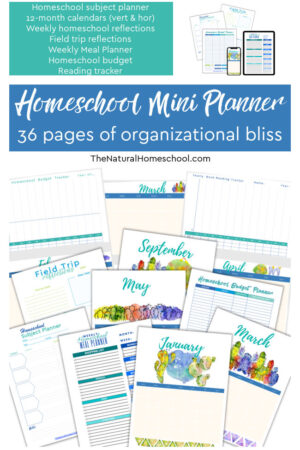
Reusable Printable Homeschool Mini Planner (36 pages)
$18.00$9.99 Add to cart

Latest Posts
- 5 Leading Psychiatrists in Los Angeles for OCD in AdultsOCD is one of the most misunderstood and undertreated mental health conditions in the country, and Los Angeles makes that problem worse. Leading psychiatrists in Los Angeles are genuinely hard to find because the city has a serious shortage of mental health providers, insurance coverage for psychiatric care is inconsistent…
- History about Past and Present the Montessori Way {Free Printables}
 In this post, you will see how we made a connection between the past and the present. I made matching cards on objects, one used in the past and one used in the present. This post is focusing on history about past and present in the best way possible:…
 - 7 of Australia’s Leading Online Tutoring Providers in 2026
 The best online tutoring services Australia has to offer in 2026 are the ones that pair rigorously vetted tutors with genuine personalisation, broad year-level coverage, and the flexibility to fit around real family life.
 - Fostering Creative Expression in Digital Learning: Bringing Visual Ideas to Life
 From drawing and painting to building whole animated worlds, technology gives children fresh avenues to bring their awesome visual ideas to life.
 - The Very Hungry Caterpillar Activities ~ Giant Magnets and Posters
 Welcome to our super fun set of The Very Hungry Caterpillar Activities! This is such a wonderful book by Eric Carle and we just can’t get enough of The Very Hungry Caterpillar free printables, crafts, activities and more! In this post, we will be focusing on a great hands-on set…

- 5 Leading Psychiatrists in Los Angeles for OCD in Adults

Leave a Reply