

Homeschooling offers a world of flexibility, personalized learning, and the chance for children to grow at their own pace. Yet, one challenge often surfaces: how do homeschooled children develop confidence and social skills on par with their peers in traditional schools? While academics are well-covered at home, sports provide a unique gateway for building self-esteem, resilience, and teamwork—qualities essential for thriving beyond the classroom.

Redefining Physical Education Beyond the Gym
When most people think of kids’ sports, they picture school gymnasiums or competitive leagues. Homeschooled kids, however, can access a broader, often more tailored range of physical activities. The emphasis shifts from winning trophies to mastering skills, exploring interests, and developing confidence. Sports become not just a physical outlet but a structured pathway for self-discovery.
Tennis: Precision, Patience, and Poise
Tennis is more than just hitting a ball across a net. For homeschooled children, tennis lessons offer a space to practice focus, patience, and self-motivation. Unlike team sports where children may feel overshadowed by stronger players, tennis gives kids the chance to compete against themselves, track their own improvement, and celebrate incremental successes.
A weekly session at a local tennis program, combined with occasional friendly matches, allows kids to measure progress through personal benchmarks rather than comparison with others. This fosters a quiet, internalized confidence that carries over into academics and other social settings. Individuals often find tennis lessons in Atlanta (or elsewhere), where tailored programs for young learners tend to emphasize skill-building in a supportive environment.
Skateboarding: Fearlessness and Personal Growth
Skateboarding offers a completely different set of lessons. Unlike structured sports with rigid rules, skateboarding thrives on creativity, self-expression, and calculated risk-taking. Homeschooled children often find empowerment in learning tricks at their own pace, experimenting without fear of judgment, and gradually overcoming the anxiety that comes with trying something new.
The simple act of conquering a new trick—be it a kickflip or grinding a rail—translates into a deeper belief in one’s abilities. Every fall is a lesson, and every successful landing builds resilience. Local skateparks, skateboard lessons, or guided family sessions can provide both community engagement and mentorship, nurturing confidence through controlled challenges.

Martial Arts: Discipline Meets Self-Assurance
Martial arts like karate, taekwondo, or jiu-jitsu are excellent for cultivating both physical and mental strength. For homeschooled children, these classes provide structure, goal-setting, and a sense of achievement through belt systems and progressive skill mastery.
More importantly, martial arts teach respect, patience, and the ability to handle pressure calmly. Children learn that confidence isn’t about overpowering others but mastering themselves. This self-assuredness often manifests in everyday interactions, from public speaking to collaborative projects with peers.
Archery: Focus, Calm, and Precision
Archery is a sport that demands extreme focus, patience, and mindfulness—skills homeschooled kids can carry into academic and personal pursuits. A single arrow requires complete concentration, teaching children to tune out distractions and trust their own capabilities.
Homeschooled children who learn archery through structured lessons or family sessions can measure progress tangibly: hitting closer to the bullseye becomes a personal victory. This careful, deliberate development cultivates quiet confidence and reinforces the understanding that patience and practice produce results.
Team Sports: Building Social Confidence
While individual sports are invaluable for self-mastery, team sports play a unique role in fostering social confidence. Soccer, basketball, or volleyball for homeschooled children creates opportunities for collaboration, communication, and leadership.
Being part of a team encourages empathy, adaptability, and problem-solving in real time. It also helps children develop resilience in handling both victory and defeat—lessons that go far beyond the field. Local homeschool leagues or community sports programs are ideal spaces where children can form lasting friendships while testing their abilities in supportive, non-judgmental settings.

Combining Variety and Choice
Homeschooled children often benefit most from a blend of sports. A week might include tennis for precision, skateboarding for creativity, martial arts for discipline, and a team sport for social interaction. This variety ensures that children are continually exposed to new challenges, keeping physical activity engaging and their confidence growing in multiple dimensions.
Moreover, giving children agency over which sports to try enhances intrinsic motivation. When kids choose activities aligned with their interests, they engage more fully and gain authentic confidence rooted in personal passion rather than obligation.
The Role of Mentorship and Community
Confidence doesn’t develop in isolation. Mentorship from coaches, instructors, and peers amplifies the lessons sports provide. Homeschooled children often thrive in smaller, focused groups where instructors can tailor guidance to each child’s strengths and challenges.
Community also plays a pivotal role. Participation in local sports programs introduces homeschooled children to broader social networks, reinforcing the notion that they can belong, contribute, and succeed outside their immediate family unit.
Beyond Physical Fitness: Lifelong Confidence
The benefits of sports for homeschooled kids extend far beyond physical health. Sports teach time management, goal-setting, risk assessment, resilience, and social navigation—skills essential for future success. Each served tennis ball, landed skateboard trick, completed kata, or well-placed arrow becomes a milestone in self-confidence, gradually shaping children into capable, self-assured individuals ready to embrace challenges in every area of life.
By intentionally integrating sports into homeschooling routines, parents provide more than exercise—they cultivate pathways to confidence. Homeschooled children who explore a variety of sports develop a tangible sense of achievement, independence, and courage. In doing so, sports become not just an activity, but a cornerstone of personal growth.



You might also like:
-
Sale!
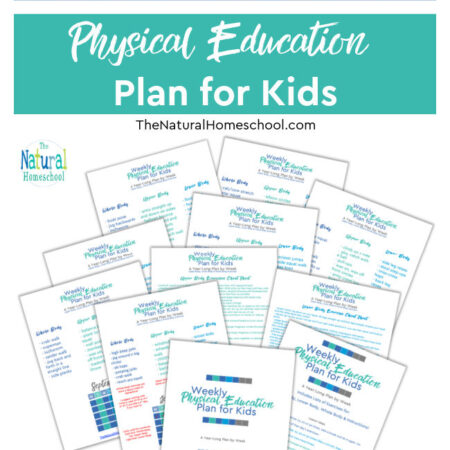
12-Month Weekly Physical Education Plan for Kids
$12.99 Add to cartQuick Buy- Sale!
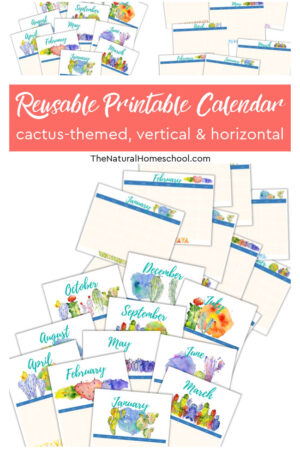
12-Month Vertical AND Horizontal Homeschool Calendars
$14.99$6.99 Add to cart- A sports mother means a happy child: how to recover after childbirth?
- Benefits of involving children in outdoor tasks
- The Downside of Too Much Screen Time in Homeschooling
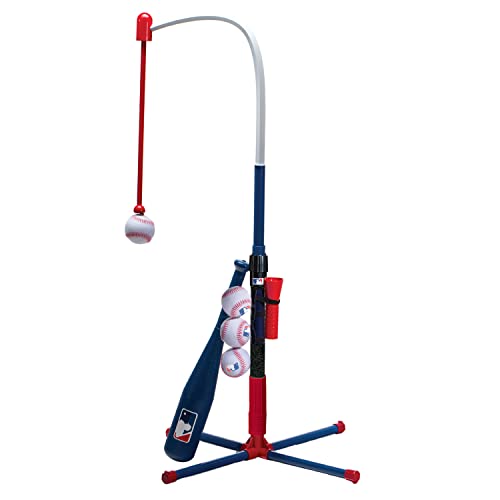
Franklin Sports Kids Batting Tee – MLB 2-in-1 Grow-with-Me – Adjustable Youth Hitting Tee –
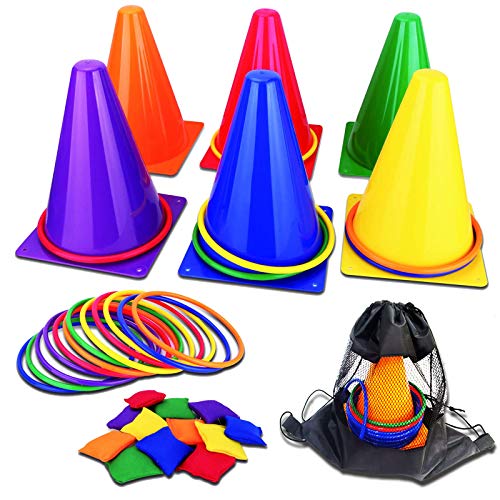
 HYES 2 Pack Bow and Arrow for Kids, LED Light Up Archery Set with 24Marwan Sports Inflatable Punching Bag for Kids – 5-in-1 Birthday Set with Gloves, Pump &Franklin Sports Blackhawk Backyard Soccer Goal – Portable Kids Soccer Net – Pop Up Foldingunanscre 31PCS 3 in 1 Carnival Outdoor Games Combo Set for Kids, Soft Plastic Cones5 Pack Sports Balls Set for Kids with Bag Balls for Toddlers 1-3 Football Soccer

Latest Posts
- Free Printable Books for Kids about Spiders
 Welcome to our awesome unit on none other than spiders! Would you like some free printable books for kids about spiders? Read on! We are not making it a scary or spooky subject (even though I am personally terrified of them). It was so much fun (especially because I made…
 - Fall Words for Kids – 24 Printable 3-Part Cards
 We are so excited about Fall. Seriously, every year is awesome. We enjoy the changing leaves, the crisp air, the holidays and the delicious desserts and drinks. So, to celebrate Fall, we have a wonderful set called: Fall Words for Kids. Yes! Yay, Fall! Don’t you just love some great…
 - Fall Montessori Printables for Kids
 Fall is around the corner and you need to be ready with some really awesome activities that are Montessori printables for kids! It’s our favorite season and you can make it extra special with these 10 Fall Montessori printables for kids! They are Montessori-inspired, but can be used for all…
 - Erosion vs Weathering ~ Awesome Science STEM Activities
 Weathering vs Erosion STEM activity is a super easy and fun Science experiment that will teach your kids how the earth works.
 - Simple Music Paper Crafts for Preschoolers (Free Printable)
 Do you teach Music in your homeschool? Have you ever thought of making Music-related crafts that are fun and affordable? Making Music-related crafts can spark so much creativity and go for several Fine Arts areas all at once! Take a look at what we’ve made! Stars, pinwheels, tambourines, flowers… we’ve…

Reader Interactions
- Sale!



Footer
Grab my button
Leave a Reply