


Discussing cancer with children is one of the toughest conversations a parent, caregiver, or loved one can have. It’s essential to approach the conversation with care, ensuring they grasp the information accurately without overwhelming them with intense images. The emotions around it can also complicate matters further.
Children are excellent at perceiving situations, which makes it prudent to also be honest. This makes them eager to know more while solidifying their trust in the talk. Here are ways adults can explain cancer to children with clarity and compassion.

Prepare Before Having the Conversation
Children observe how adults act, which is why you need to be calm and careful with your choice of words. The establishment of your speaking points will assist them in better understanding your intended message.
Children can ask various questions, which include whether cancer spreads between people and whether someone will die. The use of simple, truthful answers establishes a helpful foundation that prevents inaccurate information. The answer to their questions should be answered at this moment because you will learn the information together.

Share Reliable Resources and Support
Children learn better when they use books, videos, and online resources that provide reliable information. These resources explain cancer through child-friendly formats, which help children understand their home discussions. The resources also help caregivers who need support to manage these crucial discussions with their children.
Families seeking information about lung cancer must target reliable sources that deliver exact details about the disease. Firms like The Lung Cancer Group support people through its resources, which provide essential details about lung cancer, the second most common cancer in the U.S.A. This way, you will understand the causes of the disease, risk factors, treatment options, and available help.
Use Age-Appropriate Language
Different age groups of children have entirely different ways to understand sickness. The younger children need their parents to explain things with simple words that they already understand. Medical terms should only be used after the child asks for specific information because they are the only ones who can understand those terms.
Age-appropriate communication needs to deliver information without creating fear in the child. The explanation should describe cancer as an illness that doctors treat through special medicine instead of describing someone as extremely sick. The method offers children actual world knowledge while keeping their emotional boundaries at secure levels.
Acknowledge and Validate Emotions
Children show various emotional reactions, which include feeling sad, showing anger, experiencing fear, and displaying indifference. Validate all emotions to make the child know that all feelings are normal responses and are manageable.
Avoid using well-intended but dismissive phrases that may make a child feel their emotions do not matter. Instead, respond thoughtfully, reflect what the child is feeling, and offer comfort by letting them know they are not alone in their experience. Validation of emotional states enables the child to develop better coping mechanisms, which will help them handle difficult situations.

Encourage Questions and Ongoing Dialogue
Children may not always be quick to raise questions, especially when puzzled by the talks. What matters is making them know that they’re always free to ask questions later. Give them the space where they can even express their worries.
You must respond to all inquiries by providing truthful answers, which will create difficulties for you at times. Children develop a need to receive honest responses because they believe adults who share all information with them while keeping them safe from dangers.
Endnote
The process of explaining cancer to children requires both truthful answers and compassionate behavior from adults who maintain a constant presence. When children receive emotional support while staying informed about their situation, they will develop better skills to deal with changing circumstances. Families who maintain trust throughout their cancer journey will develop strength together through continuous communication.




You might also like:
-
Sale!
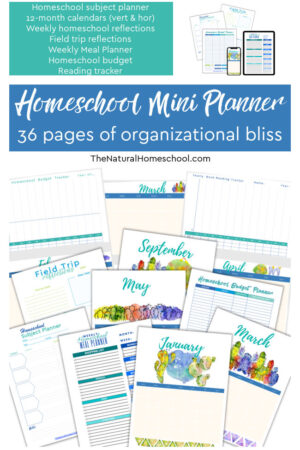
Reusable Printable Homeschool Mini Planner (36 pages)
$18.00$9.99 Add to cart- Cancer Prevention Research & Information
- Parts of the Animal Cell Printable Set
- Supporting Your Child’s Health and Wellbeing: 4 Tips You Might Have Overlooked


Latest Posts
- 5 Leading Psychiatrists in Los Angeles for OCD in AdultsOCD is one of the most misunderstood and undertreated mental health conditions in the country, and Los Angeles makes that problem worse. Leading psychiatrists in Los Angeles are genuinely hard to find because the city has a serious shortage of mental health providers, insurance coverage for psychiatric care is inconsistent…
- History about Past and Present the Montessori Way {Free Printables}
 In this post, you will see how we made a connection between the past and the present. I made matching cards on objects, one used in the past and one used in the present. This post is focusing on history about past and present in the best way possible:…
 - 7 of Australia’s Leading Online Tutoring Providers in 2026
 The best online tutoring services Australia has to offer in 2026 are the ones that pair rigorously vetted tutors with genuine personalisation, broad year-level coverage, and the flexibility to fit around real family life.
 - Fostering Creative Expression in Digital Learning: Bringing Visual Ideas to Life
 From drawing and painting to building whole animated worlds, technology gives children fresh avenues to bring their awesome visual ideas to life.
 - The Very Hungry Caterpillar Activities ~ Giant Magnets and Posters
 Welcome to our super fun set of The Very Hungry Caterpillar Activities! This is such a wonderful book by Eric Carle and we just can’t get enough of The Very Hungry Caterpillar free printables, crafts, activities and more! In this post, we will be focusing on a great hands-on set…


Leave a Reply